
Corporate offices and business centers

Corporate offices and business centers: how to prepare a useful transport inquiry

Staff may converge on one or several office locations from different collection areas. Describe the commuting rhythm, groups and route endpoints before considering a vehicle class.

Before inquiring

Identify pickup points, destination, passenger count per leg, arrival and departure windows, expected duration and any essential site instructions. Mark uncertain numbers as estimates.

Do not include

Individual identity numbers, payroll information, sensitive site-access plans or personal rosters unnecessary for a preliminary transport discussion.

Use-case explainers: they do not describe named customers, contracts or locations already served.

Related pages

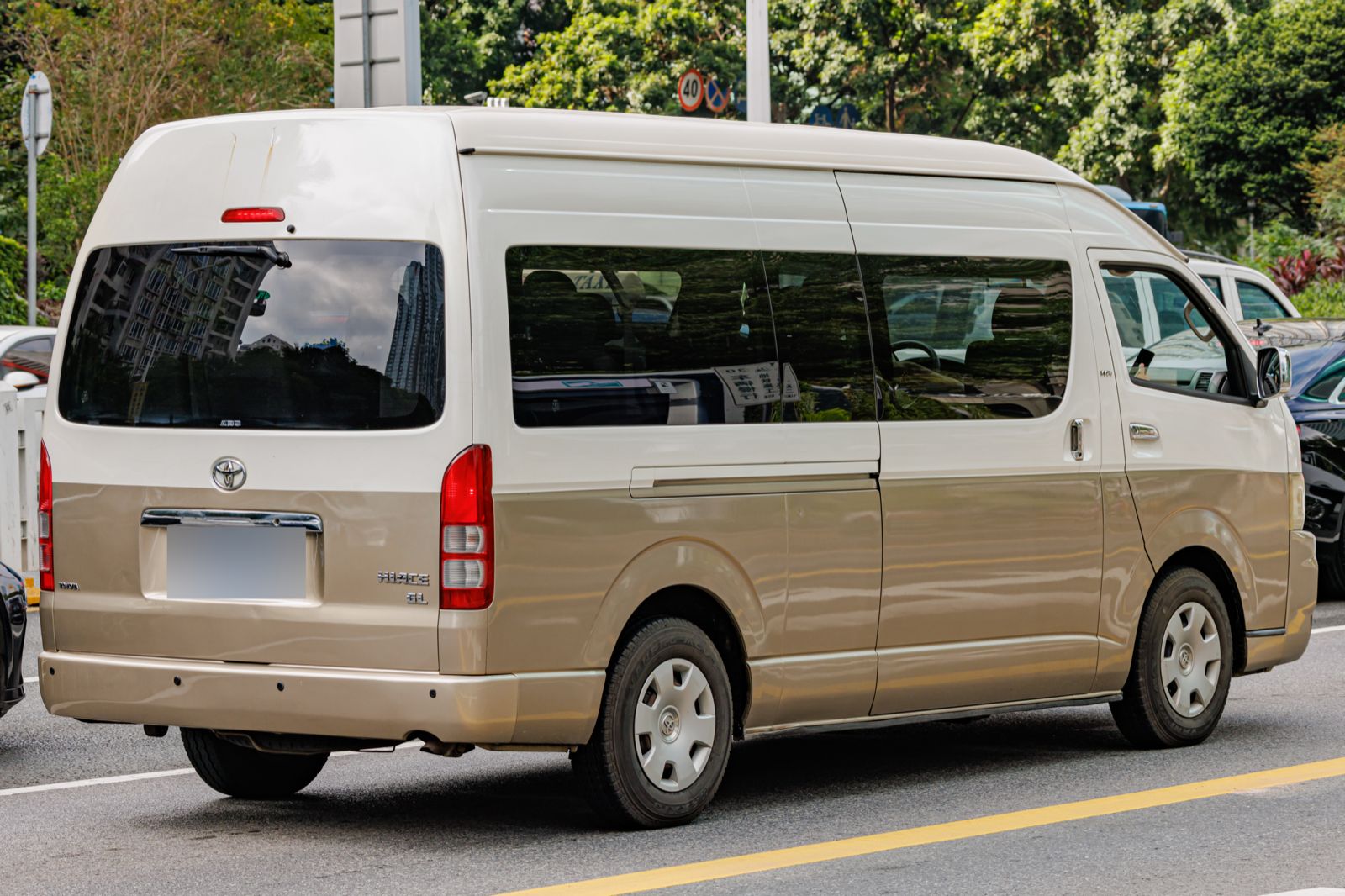
High-roof passenger van in white and champagne, seen from the rear three-quarter on a city road Illustrative image Photo: Dinkun Chen, CC BY-SA 4.0

Service

Daily employee transportation

Recurring journeys between collection points and workplaces.

High-roof passenger van in white and champagne, seen from the rear three-quarter on a city road Illustrative image Photo: Dinkun Chen, CC BY-SA 4.0

Vehicle category

Toyota Hiace

A practical category to discuss for smaller groups, recurring staff movements and trips between defined pickup locations when a full-size coach would not be appropriate.

Empty divided road lined with palm trees running toward desert mountains Illustrative image Photo: Vyacheslav Argenberg, CC BY 4.0

Planning guide

How to think about employee pickup points

Organizing a transport inquiry means knowing which details are confirmed and which require discussion. This practical guide focuses on questions rather than unverified service promises.

Plan the movement. Simplify the conversation.

Send us your requirements and start with a more useful transport discussion.

An inquiry, not a booking

Request a quote